How Often Should You Clean Your Dog’s Teeth? Vet Backed Advice
Keeping your dog’s smile healthy is easier than most people think. If you have ever leaned in for a cuddle and noticed your dog’s breath, you are not alone. It often shows up during couch time, car rides, or after a beach walk.
The good news is that dental care does not need to be perfect or complicated. With the right timing and a few simple habits, cleaning your dog’s teeth can fit naturally into life with an active San Diego dog who loves beaches, daycare, and patio time.
Key Summary:
Most dogs should have their teeth brushed every day to prevent plaque buildup and gum disease. If daily brushing is not realistic, cleaning your dog’s teeth three to four times per week still helps slow plaque hardening and protect gum health.

Boarding Clients!*Discount does not apply during holiday/peak rate periods.

Why Your Dog’s Dental Health Matters More Than You Think
Your dog’s dental health affects far more than their breath. Clean teeth support comfort, appetite, energy, and long-term health.
Dental care is not about having a perfect smile. It is about preventing pain, infection, and health problems that quietly build over time. Once you understand what happens inside your dog’s mouth, the routine makes a lot more sense.
What Happens When Dog Teeth Are Not Cleaned Regularly
Plaque starts forming on your dog’s teeth within about 24 hours. It is a soft, sticky film made of bacteria and food particles. If plaque is not brushed away, it hardens into tartar. Tartar sticks firmly to the teeth and irritates the gums.
Over time, this irritation leads to gingivitis, which means inflamed and painful gums. If that inflammation continues, it can turn into periodontal disease, which damages the tissues and bone that hold teeth in place.
One surprising statistic puts this into perspective. More than 80% of dogs over age 3 have some level of periodontal disease. That means dental problems are the norm, not the exception.
Health Problems Linked to Poor Dental Care
Dental disease does not stay in the mouth. It affects how your dog feels every day.
Dogs with untreated dental issues often deal with more than bad breath. Over time, they may experience:
- Chronic bad breath that does not improve on its own
- Red, swollen, or bleeding gums
- Pain while chewing or dropping food from the mouth
- Loose, damaged, or missing teeth
- Bacteria entering the bloodstream can affect the heart, kidneys, and liver
Why Active San Diego Dogs Can Be More at Risk
San Diego dogs tend to live full, outdoor lives. Beach walks, hikes, dog parks, daycare play, and patio lounging are all part of the routine. That lifestyle is great for mental and physical health, but it can be harder on teeth.
Sand, sticks, tennis balls, salty ocean water, and extra treats all add to plaque buildup. Social dogs also tend to chew more and snack more, which means more residue left behind on the teeth.
An active dog needs a comfortable mouth to fully enjoy their day. Dental care helps them eat well, play freely, and rest without pain.
So, How Often Should You Clean Your Dog’s Teeth?
Daily brushing is the goal for most dogs. Veterinary dental experts and organizations like the American Animal Hospital Association and the World Small Animal Veterinary Association recommend brushing every day because it is the most effective way to remove plaque before it hardens into tartar and leads to gum disease.
If daily brushing is not realistic right now, aim for three to four times per week. Brushing at least every other day still helps slow plaque buildup and reduce gum inflammation. Aim for daily brushing, and celebrate it if you manage three or more times a week.
Factors That Change How Often Your Dog Needs Dental Care
Every dog is different, and dental needs can vary based on breed, age, diet, and past oral health. Some dogs need extra attention, while others do well with a standard routine.
More often, with daily brushing and frequent vet checks, if your dog is:
- A small or toy breed like Chihuahuas or Yorkies, which tend to build plaque faster
- A flat faced breed such as French bulldogs or pugs, where teeth are often crowded
- A senior dog with existing dental wear or gum sensitivity
- Eating mostly soft or wet food
- Showing early signs of tartar, gingivitis, or past dental disease
Standard routine, with a daily brushing goal and annual cleaning, if your dog is:
- A medium or large breed with healthy teeth and gums
- Eating a balanced diet that includes dental friendly kibble or chews
- Not showing signs of gum inflammation or heavy tartar buildup
- Younger and already used to basic mouth handling

How to Brush Your Dog’s Teeth (Step by Step)
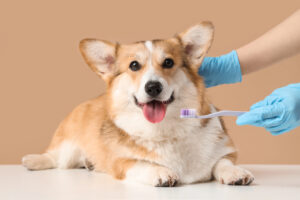
Brushing your dog’s teeth does not have to be stressful or perfect. The goal is to build comfort and consistency over time. Short, calm sessions work better than trying to do everything at once.
Before you start, gather a few basics:
- Pet safe dog toothpaste only. Never use human toothpaste, as fluoride and xylitol can be harmful to dogs, according to VCA Animal Hospitals
- A dog toothbrush or finger brush sized for your dog
- Optional gauze or dental wipes
- A small treat or dental chew as a reward
- A quiet, comfortable spot, ideally after a walk or play session when your dog is relaxed
Step-by-Step Brushing Routine
1. Let Them Taste First: Put a pea-sized amount of dog toothpaste on your finger and let your dog lick it. Praise calmly so they associate the flavor with something positive.
2. Practice Lip Lifts and Mouth Touching: Gently lift your dog’s lips and touch the teeth and gums with your finger or a wipe. Keep sessions short and reward often.
3. Introduce the Brush: Let your dog sniff and lick the toothbrush with toothpaste on it. Do not brush yet. This step is about building trust and curiosity.
4. Brush a Few Teeth at a Time: Angle the brush slightly toward the gumline, about 45 degrees. Use gentle circular motions on the outer surfaces of the teeth, where plaque builds up the most.
5. Gradually Increase Time: Over days or weeks, work toward brushing for 30 to 60 seconds per side. If your dog gets restless, stop early and try again next time.
6. End on a Win: Finish with praise, a small treat, a dental chew, or a quick play session. Ending positively makes the next session easier.
Brushing does not need to be perfect to be effective. A calm, consistent routine builds habits that protect your dog’s comfort and health over time.
How Often to Clean Dogs’ Teeth at Different Life Stages
A dog’s age plays a big role in how often and how gently you should clean their teeth. The goal stays the same across all stages, but the approach shifts as your dog grows.
Puppies
Puppyhood is the easiest time to build lifelong dental habits. Start with gentle mouth handling during calm moments, then work toward brushing once adult teeth come in around six months. Puppies who have positive experiences early usually accept brushing more easily later.
Adult Dogs
Daily brushing is still the goal for adult dogs, but three to four times per week can work well if you are consistent. Most adult dogs should also have an annual dental checkup and professional cleaning, based on their breed, oral health, and lifestyle.
Senior Dogs
Senior dogs often need a gentler approach because dental issues are more common with age. Short, comfortable brushing sessions paired with regular vet visits, often every six months, help manage pain, catch problems early, and support overall comfort.

Signs Your Dog’s Teeth Need More Attention (or a Vet Visit ASAP)
Everyday Red Flags at Home
These signs suggest your dog’s teeth and gums need closer attention and possibly a dental checkup.
- Bad breath that does not improve
- Yellow or brown buildup near the gumline
- Red, swollen, or bleeding gums
- Dropping food or chewing on one side
- Pawing at the mouth or avoiding chew toys
Serious Dental Issues That Need a Vet Right Away
These symptoms may point to infection or advanced dental disease and should be checked by a vet as soon as possible.
- Loose or missing teeth
- Pus, sores, or visible infection in the mouth
- Swelling around the muzzle, under the eyes, or along the jaw
- Sudden appetite changes, weight loss, or behavior changes
If you are ever unsure, it is safer to call your vet and ask. Early care often prevents more painful and costly problems later.
At-Home Dog Dental Care: Beyond the Toothbrush
Brushing is the most effective way to keep your dog’s teeth clean, but it works best when paired with simple oral care tips that support plaque control between brushing sessions. A good at-home dental routine often includes a few supporting options that make plaque control easier between brushing sessions.
Dental Chews, Treats, and Toys
Dental chews and toys help through chewing action that scrapes plaque from the tooth surface, especially on back teeth. They support brushing but do not replace it.
Studies show brushing is far more effective than chews alone. Look for VOHC Accepted products from the Veterinary Oral Health Council and ask your vet which options fit your dog best.
Dental Wipes, Sprays, and Water Additives
Wipes, sprays, and water additives can help dogs who resist brushing or need extra support between sessions.
Wipes clean outer tooth surfaces, while sprays and additives help reduce bacteria that cause plaque and bad breath. Use them as support tools and still aim to brush several times per week whenever possible.
Diet and Chewing Habits
Some veterinary dental diets and specially shaped kibble are designed to reduce plaque as dogs chew and can help when paired with brushing.
Watch out for soft, sticky treats that cling to teeth and speed buildup. Avoid very hard chews like antlers or hard bones that can crack teeth. A simple test helps. If you cannot dent it with your fingernail, it is likely too hard.

Professional Dog Teeth Cleaning: How Often and What to Expect
Even with great home care, most dogs still need professional dental cleanings. Understanding what happens during these visits helps set clear expectations.
What a Professional Dental Cleaning Includes
A professional dental cleaning allows your vet to fully examine and clean your dog’s mouth in a safe, controlled way. This level of care is only possible when your dog is under anesthesia.
- A full oral exam to check teeth, gums, and overall mouth health
- Scaling to remove plaque and tartar above and below the gumline
- Polishing the teeth to smooth surfaces and slow future buildup
- Dental X-rays to detect problems below the gumline that cannot be seen during a visual exam, as recommended by the American Animal Hospital Association
Anesthesia-free cleanings do not allow this deeper evaluation and are not considered a replacement for a full veterinary dental procedure.
For many adult dogs, professional cleanings are recommended about once per year. Dogs at higher risk, such as small breeds, flat-faced breeds, senior dogs, or dogs with past dental disease, may need cleanings every six to nine months.
Questions to Ask Your San Diego Vet
Your vet is your best partner in setting the right dental care plan for your dog. Asking a few focused questions can help you understand what your dog needs now and going forward.
- Does my dog need a dental cleaning this year?
- Are there any teeth you are concerned about right now?
- How often should my dog have professional cleanings based on age and breed?
- Are there any VOHC-approved products you recommend for home use?
Making Dog Tooth Brushing a Real-Life Habit
The hardest part of dental care is not knowing what to do. It is sticking with it. Small systems make a big difference.
Simple Ways to Build a Routine
Building a brushing habit works best when it fits naturally into your day. Small, consistent steps make dental care feel manageable instead of overwhelming.
- Tie brushing to an existing habit, like morning coffee, evening TV time, or bedtime
- Keep a small dental kit with a toothbrush, toothpaste, and wipes in a visible spot
- Use phone reminders or a simple weekly habit tracker to stay consistent
- Focus on progress, not perfection, even short sessions add up over time
If Your Dog Hates Tooth Brushing
Start with micro goals. A few seconds. One tooth. Then reward. Over time, build from there. Try different toothpaste flavors to see what your dog prefers.
Some dogs do better with a finger brush than a traditional toothbrush. Others need to start with wipes before moving on to brushing.
If your dog shows strong fear or stress, talking to a trainer about cooperative care techniques can help make dental care safer and calmer for both of you.
Final Words
You do not have to be perfect to protect your dog’s teeth. Even adding two or three brushing sessions this week is a real step forward. Over time, those small habits lead to fresher breath, less pain, and fewer serious dental problems.
Scheduling regular vet checkups helps catch dental issues early. If you need extra support, reach out to Fon Jon Pet Care for boarding, daycare, and grooming services that support your dog’s overall comfort and health, including teeth brushing as part of grooming care.
FAQs
Do I really have to brush my dog’s teeth every day?
Daily brushing is the gold standard and works best to prevent plaque and gum disease. If daily brushing feels unrealistic, brushing three to four times per week still makes a meaningful difference for your dog’s dental health.
Is brushing once a week enough for my dog?
Brushing once a week is better than not brushing at all, but it usually is not enough to control plaque buildup. Plaque hardens quickly, so more frequent brushing leads to better results.
Can dental chews replace brushing?
No. Dental chews help reduce plaque through chewing, but brushing is about three times more effective at removing plaque, according to reporting from WIRED. Chews work best as support, not a replacement.
At what age should I start brushing my dog’s teeth?
You can start gentle mouth handling as early as puppyhood. Once adult teeth come in around six months, begin working toward regular brushing.