Top Airline-Approved Pet Carriers in 2026: A Complete Guide
Flying with a pet in 2026 takes more planning than it used to. Airlines are stricter about carrier size, structure, and how pets fit under the seat. The right carrier can make the difference between a calm flight and a stressful one.
This guide breaks down the best airline-approved pet carriers for 2026, with real pros, real limits, and honest advice to help San Diego pet parents choose what actually works.
Key Summary
Airline-approved pet carriers in 2026 must fit under the seat, allow good airflow, and keep pets secure and comfortable. Soft-sided carriers are still the most common, but structure and padding matter more than before. Flying works best for small, calm pets on shorter trips, while boarding locally is often easier for anxious pets or longer travel days.

Boarding Clients!*Discount does not apply during holiday/peak rate periods.

Best Airline-Approved Pet Carriers for 2026
Best Overall: Tavo Dupree Carry On Pet Car Seat
Best Minimal Design: Away The Pet Carrier
Best Budget Pick: Sherpa Original Deluxe
Best Premium Style: Dagne Dover Kyoto Pet Carrier
Best for Heavier Small Pets: Roverlund Out of Office Pet Carrier Pro
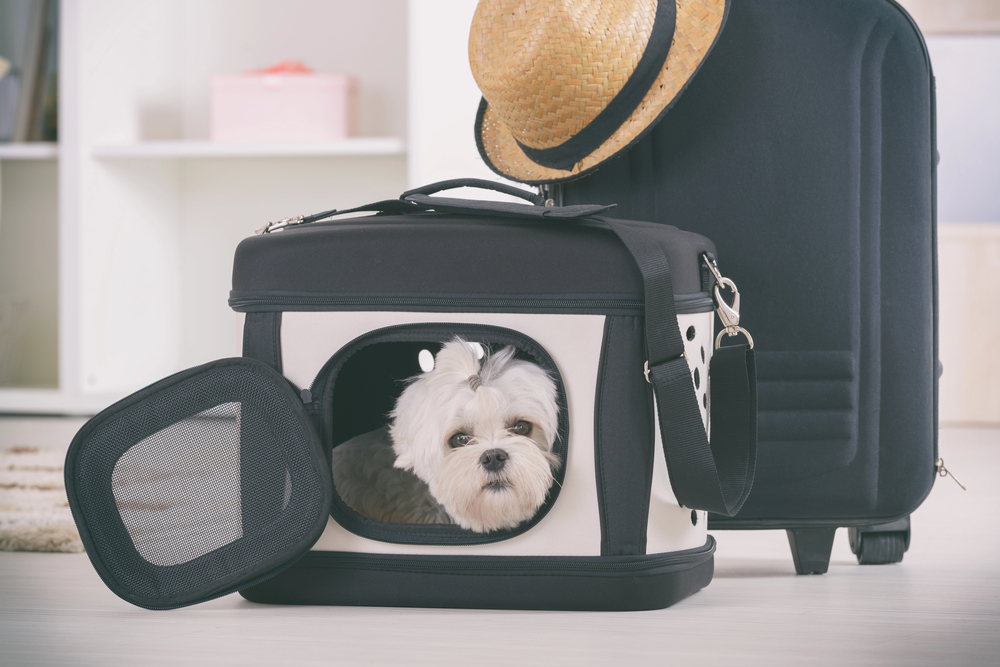
1. Tavo Dupree Carry On Pet Car Seat
The Tavo Dupree is designed for pet parents who prioritize structure and safety. It feels more like a protective shell than a soft bag, which helps pets stay steady during turbulence and busy airport walks. It also doubles as a crash-tested car seat, making it useful from car to cabin.
Thick, washable padding, solid airflow panels, and an easy wipe interior make it practical for longer travel days. It fits under most standard airline seats, but the rigid base leaves less room to adjust in tight spaces. Best for small dogs and cats that feel calmer in a firm, enclosed space.
Pros:
- Strong, structured build
- Works as both an airline carrier and a car seat
- Washable padding and easy-clean interior
- Feels secure for nervous or older pets
Cons:
- Heavier than most carriers
- Higher price than average
2. Away The Pet Carrier
Away’s pet carrier focuses on simplicity and clean design. It slides easily under most airline seats and offers good ventilation on multiple sides. Privacy panels help reduce stimulation in crowded terminals.
The removable, washable bed and water-resistant lining are helpful for spills or motion sickness. It works best for smaller pets up to about 18 pounds. Larger small dogs may feel tight on longer flights. A good option for calm pets and owners who want something lightweight and easy to manage.
Pros:
- Slim profile fits under most seats
- Washable bed and water-resistant lining
- Privacy panels help with anxiety
- Lightweight and easy to carry
Cons:
- Limited to smaller pets
- Less structure than premium options
3. Sherpa Original Deluxe
The Sherpa Original Deluxe remains a popular budget choice in 2026. Many airlines still use Sherpa-style dimensions when setting in-cabin rules. It is lightweight, flexible, and collapses flat for storage.
Top and side entry, solid airflow, and a basic padded mat keep things simple. The soft sides help it fit under smaller seats, but also offer less protection for pets that push or lean. Best for short flights and pets that already travel calmly.
Pros:
- Widely accepted by airlines
- Lightweight and easy to store
- Flexible sides fit tight spaces
- Affordable and easy to find
Cons:
- Less protective structure
- Shoulder strap can dig with heavier pets
4 . Dagne Dover Kyoto Pet Carrier
The Dagne Dover Kyoto is a premium duffle-style carrier that balances looks and function. It fits neatly under airline seats and feels sturdy without being bulky. The interior bed is comfortable, and built-in pockets keep travel essentials organized.
A trolley sleeve makes airport movement easier, especially for frequent flyers. The materials feel durable, but the bed cover is spot-clean only. It is also one of the more expensive options on this list. Best for pet parents who fly often and value organization and style.
Pros:
- Clean, polished duffle design
- Supportive bed with a sturdy feel
- Useful pockets and trolley sleeve
- Slides easily under seats
Cons:
- High price point
- Bed cover is not fully washable
5. Roverlund Out of Office Pet Carrier Pro
The Roverlund Out of Office Pet Carrier Pro is built for slightly heavier small pets and long airport walks. It has a durable structure, darker mesh for privacy, and a waterproof base that handles accidents well.
The carrier can compress to fit under smaller airline seats, which adds flexibility. Optional wheels are available, but they cost extra, add weight, and must be removed during the flight. A good choice for frequent travelers who spend time walking through terminals.
Pros:
- Durable, well-built design
- Waterproof base for spills
- Compresses for tighter seat spaces
- Darker mesh helps anxious pets
Cons:
- Wheels sold separately
- Wheels must be stored during flights
What Is an Airline Approved Pet Carrier?
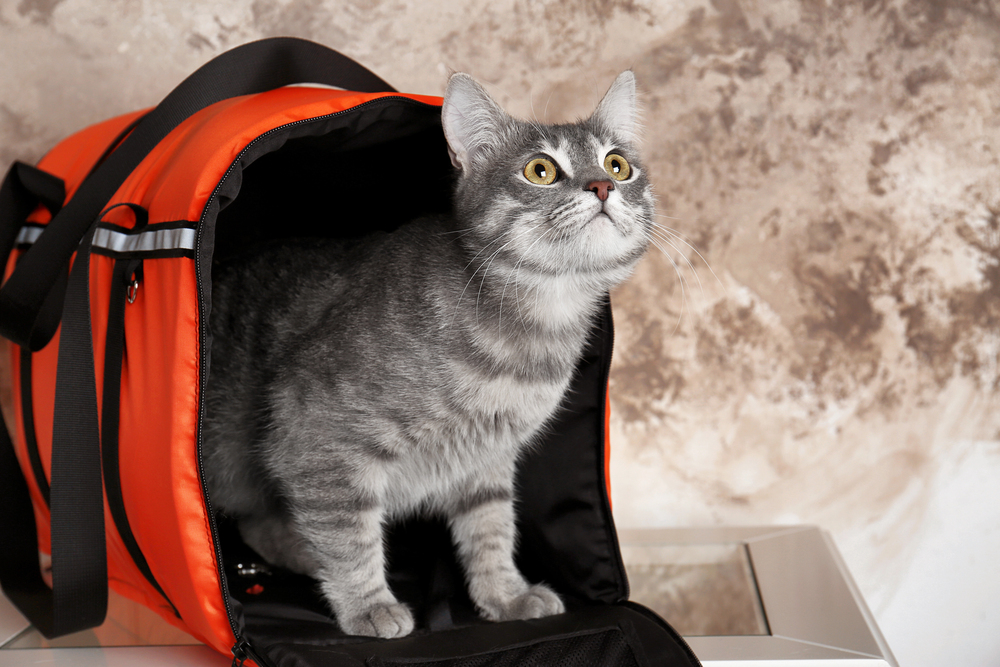
An airline-approved pet carrier is a carrier that fits fully under the seat, keeps your pet secure and ventilated, and meets the specific size and safety rules set by each airline. Approval is not universal. A carrier that works on one airline may be rejected on another.
Most pet parents flying with dogs or cats use in-cabin carriers, where the pet stays under the seat in front of you. Cargo approved carriers are larger, hard-sided, and designed for pets traveling in the hold.
Many airlines have tightened cargo rules or limited it entirely, which is why in-cabin travel is now far more common for small pets.
Soft-sided carriers continue to be the most practical option for in-cabin flights because they flex to fit tight spaces. Hard-sided carriers offer more protection but are often too rigid for under-seat storage.
Rules change often because aircraft layouts, safety standards, and airline policies change. Always check your airline’s pet policy within a few days of booking and again before flying.
Key Features Airlines Look For
Airlines focus on safety, fit, and cleanliness more than brand names.
- Fits completely under the seat without forcing
- Ventilation on multiple sides
- Leak-resistant or waterproof bottom
- Secure closures that will not pop open
- Enough space for your pet to stand, turn, and lie down
- Soft structure that can compress if needed
TSA Pet Travel Rules in 2026
At TSA checkpoints, pets are screened separately from their carriers. You will remove your dog or cat from the carrier and carry them through the metal detector while the empty carrier goes through the X-ray machine. Your pet should never go through the scanner.
Your pet must be on a leash or harness during screening. Avoid metal-heavy harnesses if possible, since they can trigger alarms and slow things down.
Collars, harnesses, and leashes stay on the pet, but bowls, treats, and accessories should stay inside your bag or carrier.
Arriving early matters more when traveling with pets. Screening takes longer, and some checkpoints get backed up quickly.
For travelers flying out of San Diego International Airport, mornings and late afternoons tend to be the busiest. Extra time reduces stress for both you and your pet.
Airline Pet Carrier Requirements: 2026 Cheat Sheet
The table below is a general reference for common airline rules in 2026. Policies can vary by aircraft and route, so always confirm directly with your airline before flying.
| Airline | In Cabin Allowed | Max Carrier Size (Approx.) | Weight Limit With Pet | One Way Pet Fee | Notes |
|---|---|---|---|---|---|
| Alaska Airlines | Yes | 17 x 11 x 9.5 in | Around 20 lbs | About $100 | Breed and route restrictions may apply |
| American Airlines | Yes | Up to 18 x 11 x 11 in | No stated limit | About $125 | Not allowed on some aircraft types |
| Delta Air Lines | Yes | Up to 18 x 11 x 11 in | No stated limit | $95 to $125 | Seasonal and heat-related limits |
| United Airlines | Yes | Up to 18 x 11 x 11 in | No stated limit | About $125 | Advance pet reservation required |
| Southwest Airlines | Yes | 18.5 x 8.5 x 13.5 in | About 18 lbs recommended | About $95 | No international pet travel |
Important note for readers: Airline pet policies change often and can vary by aircraft and route. Always confirm carrier size, fees, and availability directly with the airline before booking and again before your travel date.

How to Prep Your Pet for Air Travel
Preparing your pet ahead of time makes a noticeable difference on travel day. Calm pets travel better, settle faster, and handle delays with less stress.
Carrier Training Tips
- Let your pet nap inside the carrier at home
- Take short car rides using the carrier
- Place treats and a familiar blanket inside
Reducing Travel Anxiety
- Give your pet exercise the morning of travel
- Feed a light meal several hours before the flight
- Schedule a vet check if your pet has health or anxiety concerns
Pre Travel Grooming and Care
A clean, well-groomed pet is easier to travel with. Clean coats reduce odors and matting during long flights. Nail trims help pets shift comfortably inside carriers without snagging fabric. Daycare before travel can also help burn off energy, making it easier for pets to rest calmly during the flight.
For San Diego pet parents, using a trusted local facility for grooming or daycare before travel can turn a stressful trip into a smoother one for both you and your pet.
Flying vs Boarding: What’s Better for Your Pet?
Flying is not always the best choice for every pet. The right option depends on your pet’s size, temperament, health, and how long you will be away.
Some pets handle flights calmly and stay relaxed in carriers. Others experience anxiety, discomfort, or exhaustion from long travel days. Knowing the difference helps you make a kinder decision.
When flying makes sense:
- Your pet is small, calm, and used to carriers
- The flight is short and direct
- Your pet has flown before without stress
- You need your pet with you immediately at your destination
When boarding is a better choice:
- Your pet gets anxious in new environments
- The trip involves long flights or layovers
- Your pet is older or has health concerns
- You are traveling during busy holiday periods
- Your pet thrives on routine, space, and playtime
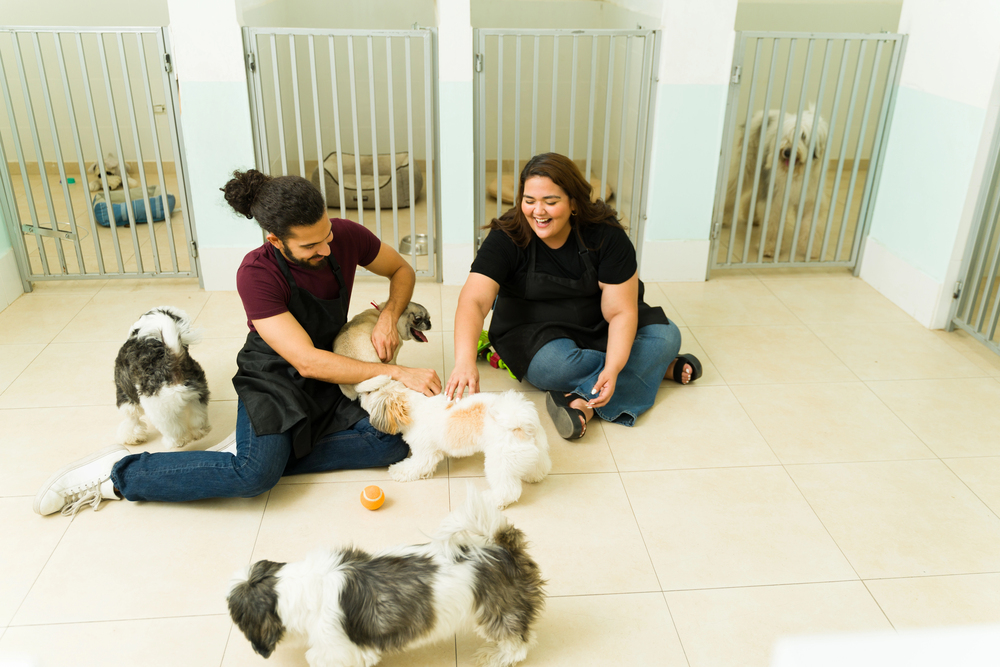
For San Diego pet parents, boarding locally can be a safer and calmer option. Fon Jon Pet Care offers experienced boarding, structured daycare, and attentive care that keeps pets comfortable while owners travel with peace of mind.
Final Words
Flying with pets in 2026 is possible, but it requires the right carrier, realistic expectations, and careful planning. Understanding airline rules, TSA screening, and your pet’s comfort level helps you choose the option that causes the least stress.
If flying feels like too much for your pet, boarding locally can be a calmer and safer solution.
Going on a trip in 2026? Fon Jon Pet Care can help with pre-flight grooming, energy-burning daycare, or safe, reliable boarding while you are away.
Call or book online to make travel easier for both you and your pet.
FAQ
Can I bring my dog in the cabin in 2026?
Yes, most airlines still allow small dogs to fly in the cabin if they fit inside an approved carrier that stays under the seat. Space is limited, so reservations should be made early.
What is the maximum pet carrier size for flights?
Most airlines allow carriers around 18 x 11 x 11 inches, but exact limits vary by airline and aircraft. Always check your airline’s current policy before purchasing a carrier.
Are certain dog or cat breeds restricted from flying?
Yes, some airlines restrict snub-nosed breeds due to breathing risks. Rules can differ by airline, route, and weather conditions.
Do airlines allow two pets in one carrier?
In most cases, no. Airlines typically allow only one pet per carrier, with rare exceptions for very young animals of the same litter.
Is boarding safer than flying for some pets?
For many pets, yes. Boarding avoids long confinement, noise, and schedule disruptions, especially for anxious or older animals.