
Why Short-Haired Dogs Need Sun Protection in San Diego
A sunny morning at Dog Beach can feel harmless, especially with that cool ocean breeze coming in. But for a short-haired dog, the sun can sneak up fast. Veterinary Partner notes that pets with light skin and short or thin coats are more prone to sunburn, which makes this a real concern for many San Diego dogs, not just a “summer beach day” issue.
Sun protection matters during beach trips, patio lunches, park play, daycare, boarding, and even after a close grooming session.
If you have ever watched a dog stretch out on warm concrete in North Park or run wide open at Fiesta Island, you can see how quickly “a little sun” turns into a long exposure.
Short-haired dogs in San Diego can burn when thin fur, light coats, pink skin, or exposed areas let UV reach the skin. Good sun care is pretty simple: shade, water, pet-safe sunscreen, better timing, UV-protective clothing for some dogs, and breaks before your dog starts looking wiped out.
 30% Off Dog or Cat Boarding for New Clients!

Can Short-Haired Dogs Really Get Sunburned?
Yes. Dogs can get sunburned, especially short-haired dogs with pale coats, pink skin, thin belly fur, or missing patches of hair. And no, it does not always look dramatic. Sometimes it is just a red nose bridge, tender ears, flaky skin, or a dog that keeps licking one irritated patch.
Why short fur does not always protect the skin
Fur helps, of course. But short fur is not a beach umbrella. A thick coat offers more coverage. A short, white, pale, or thin coat lets more sun reach the skin. After swimming, the coat may separate too, which can leave small areas even more exposed.
We see this kind of thing get missed because the dog looks “covered.” The back might be fine. The belly, inner thighs, ears, and nose? Different story.
Dogs most at risk
Some dogs need a closer eye when the sun is strong, especially during beach days, patio lunches, or long outdoor play.
- Pit Bull-type dogs.
- Boxers.
- Dalmatians.
- French Bulldogs.
- Chihuahuas.
- Whippets.
- Greyhounds.
- White or light-colored mixed breeds.
- Dogs with pink noses.
- Dogs with thin belly fur.
- Dogs with shaved or patchy areas.
Common sunburn spots owners should check
After outdoor time, do a quick nose-to-belly check. Here are the areas that tend to show trouble first.
- Nose, especially pink or lightly pigmented noses
- Ear tips, where the skin is thin and fur is sparse
- Belly, especially after lying on patios, sand, or grass
- Inner thighs, where fur is thinner and irritation can show up after play
- Around the eyes, especially on dogs with short facial fur
- Areas with missing fur from allergies, hot spots, grooming, or medical shaving
Why San Diego Dogs Need Extra Sun Awareness
San Diego dogs live a pretty outdoor life. Lucky dogs, right? Beaches, patios, parks, outdoor daycare, backyard hangouts. The problem is that “just a little time outside” can quietly turn into two or three hours of sun.
Beach days can mean longer sun exposure
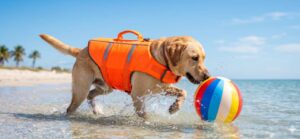
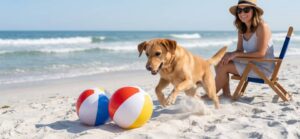
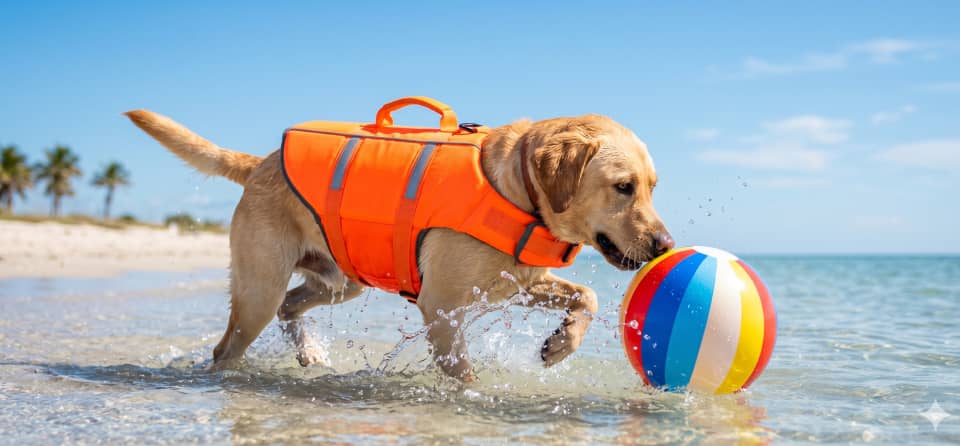
An afternoon at Dog Beach might feel breezy, but sand and water bounce sunlight back at your dog from more than one direction.
Fiesta Island is another classic example. It’s ideal for running because it’s open, but it’s not so good for shade once the sun comes up.
This also applies to the area around Ocean Beach, Mission Bay, and Coronado. Your dog’s skin may still be exposed to a lot of sunlight despite the apparent mild weather.
Patios, parks, and outdoor hangouts add up
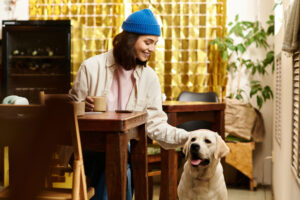
Ever grabbed a table in North Park and stayed longer than planned? Your dog may be stretched out on warm concrete the whole time, soaking up sun while everyone else is chatting.
At Kate Sessions Park, the open grassy hills are great for play. Step away from the trees, though, and shade gets scarce.
A few local situations worth watching:
- North Park patios. Fun for you, but your dog may be stuck in one sunny spot.
- Fiesta Island. Lots of running room, limited cover.
- Mission Bay walks. Water glare can add more exposure.
- La Jolla mornings. That marine layer can fool you. UV still gets through.
- Backyard gatherings. Dogs may nap in the sun while everyone forgets the clock.
Daycare and boarding outdoor time needs smart supervision
Outdoor play is a good thing. Dogs need movement, sniffing, and play, not just four walls. But here is the catch: some dogs do not know when to quit. They will keep playing with their tongue hanging out like, “I’m fine, keep going.”
That is why daycare and boarding should include shade, water, rest breaks, and staff supervision that catches when a dog needs a pause.
Signs Your Dog May Be Getting Too Much Sun
Sunburn and heat stress can overlap, so watch the skin and the behavior.
Mild signs
You may notice:
- Red or pink skin
- Skin that feels warm
- Dry or flaky patches
- Scratching
- Licking one spot
- Tenderness when touched
Serious signs
Call your vet if you see:
- Blisters
- Swelling
- Cracked skin
- Weakness
- Heavy panting
- Vomiting
- Lethargy
How to Protect Short-Haired Dogs from the San Diego Sun
You do not need to turn every walk into a science project. A few small habits go a long way.
Use pet-safe sunscreen
Use dog-specific sunscreen or one that your veterinarian suggests. Zinc oxide and PABA should not be used in dog sunscreens, according to the AKC, as dogs may lick sunscreen and consume those substances.
Focus on the nose bridge, ear tips, belly, inner thighs, and thin-fur spots. Let it dry before your dog starts rolling in sand like a tiny breaded cutlet.
Choose shade whenever possible
Shade should be part of the plan. Not “maybe we’ll find some.” At the beach, bring an umbrella or shade tent. On patios, ask for a covered spot. At the park, move before your dog starts hunting for a cool patch of grass.
Avoid peak sun hours
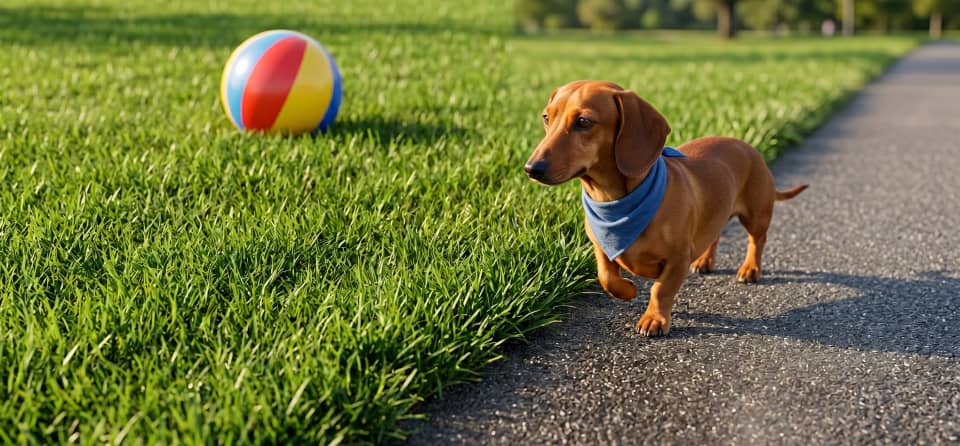
Morning and late afternoon are kinder to short-haired dogs. Midday sun is where things can get rough. Try the hand test too. Put your hand on the ground for a few seconds. Too hot for you? Too hot for paws and bellies.
Try lightweight UV-protective clothing
Certain dogs, particularly white dogs, hairless dogs, and dogs with thin patches, do well wearing UV-protective shirts. Do a quick test run first. If your dog keeps scratching at it or freezes like a statue, the clothing may not fit right, or your dog may not enjoy wearing it.
Keep fresh water nearby
Water keeps your dog comfortable but does not prevent sunburn. Car rides, parks, patios, and beaches all require a travel bowl. It is reasonable to ask how outdoor rest periods and water breaks are managed for daycare or boarding.
Sun Protection by Dog Type
Not every dog needs the same level of sun care. Here is a quick way to think about it.
| Dog Type | Sun Risk | Best Protection |
|---|---|---|
| White short-haired dog | High | Pet-safe sunscreen, shade, UV-protective shirt |
| Dark short-haired dog | Moderate | Shade, water, shorter midday outings |
| Hairless or very thin-coated dog | Very high | Vet-approved sunscreen, UV-protective clothing, limited sun |
| Long-coated dog | Lower, but not zero | Grooming, shade, water |
| Senior dog | Varies | Shorter outdoor time, more rest |
| Flat-faced dog | Higher heat risk | Avoid heat, brief play, water breaks |
What Not to Do When Protecting Dogs from the Sun
A few well-meaning choices can cause trouble. Here are the ones to be careful with:
- Do not shave double-coated dogs for sun protection. Their coat can help protect the skin and manage body temperature.
- Do not trust cloudy skies too much. June Gloom can still mean UV exposure.
- Do not use random human sunscreen. Some ingredients are not safe if licked.
- Do not ignore mild redness. Small irritations can become painful.
- Do not forget the belly. Dogs expose more skin than you might think when they lie on sand, grass, or concrete.
How Fon Jon Helps Dogs Stay Comfortable During Outdoor Time
At Fon Jon Pet Care, outdoor time is part of the day, but dogs are not just sent out into the sun and left to figure it out. They have shaded outdoor areas, full water bowls available, supervised play, and indoor and outdoor care options when a break makes more sense.
We have seen plenty of dogs who would keep playing long after they should slow down. Tail up, happy face, still ready for round two. But a short-haired dog may need shade sooner. A senior dog may need a calmer pace. A flat-faced dog may need shorter outdoor sessions.
Grooming helps with comfort too. When the coat and skin are clean, it is easier to notice dry patches, thinning fur, irritation, or sore spots before they turn into a bigger problem. Good pet care is not just giving dogs room to play. It is knowing when they need water, shade, rest, or a slower day.
Quick Sun Safety Checklist for San Diego Dog Owners
Before your dog joins you for a beach morning, patio lunch, park run, daycare day, or boarding stay, do a quick once-over:
- Nose and ears first, then check the belly and thin-fur spots
- Bring more water than you think you need
- Choose the shady side when you can
- Save longer walks for cooler parts of the day
- Talk to your vet before using sunscreen
- Try a light UV-protective shirt if your dog burns easily
- Pay extra attention to pale coats, pink noses, and thin belly fur
- Book grooming when the coat is matted, dirty, or bothering the skin
- Mention skin issues before daycare or boarding drop-off
- After outdoor time, look for redness, licking, sore spots, or unusual panting
Final Words
San Diego gives dogs a lot to love. Beach sand under their paws. Park grass. Patio naps. Sunny daycare play. It is a pretty good life.
For short-haired dogs, the trick is not keeping them inside all day. It is paying closer attention. Find shade before the sun gets harsh. Keep water nearby. Use pet-safe sunscreen when your vet says it makes sense. Check the ears, nose, belly, and thin-fur spots after long outdoor time.
Planning daycare, boarding, or grooming for your short-haired dog?
Contact Fon Jon Pet Care and ask about care options that help your dog enjoy San Diego’s outdoor lifestyle more comfortably.