Dog Boarding for Aggressive Dogs: What Pet Parents Should Know
If your dog struggles with reactivity or aggressive behavior, boarding can feel stressful before it even starts. Many pet parents worry about safety, judgment, or whether a facility can truly handle their dog’s needs.
The good news is that aggressive dogs can be boarded safely when the environment, staff, and care plan are right.
Key Summary:
Aggressive or reactive dogs can be boarded safely when the facility is built for behavior-aware care. Private spaces, experienced staff, and calm, structured routines help reduce triggers, manage stress, and keep both dogs and people safe during their stay.

Boarding Clients!*Discount does not apply during holiday/peak rate periods.

Can Aggressive Dogs Be Boarded?
Aggressive dogs can be boarded safely, but only at facilities equipped to manage behavior, not just to house dogs overnight. The right setup focuses on prevention, structure, and calm handling rather than forcing social interaction.
Not all aggression looks the same, and not all kennels are prepared to manage it. Dogs who struggle with fear, reactivity, or stress often do better in private boarding environments where triggers are limited, and routines stay predictable.
A responsible boarding facility will ask detailed questions, adjust care plans, and prioritize safety for both dogs and staff. When those pieces are in place, boarding can be a stable and even positive experience.
Types of Aggression That Affect Boarding Plans
Different behaviors require different approaches. Understanding the type of aggression helps shape a safe boarding plan.
- Fear-based aggression: Often shows up in new environments or during handling. These dogs need slower introductions and consistent routines.
- Dog on dog reactivity: Common in boarding settings. Private housing and no forced group play are key.
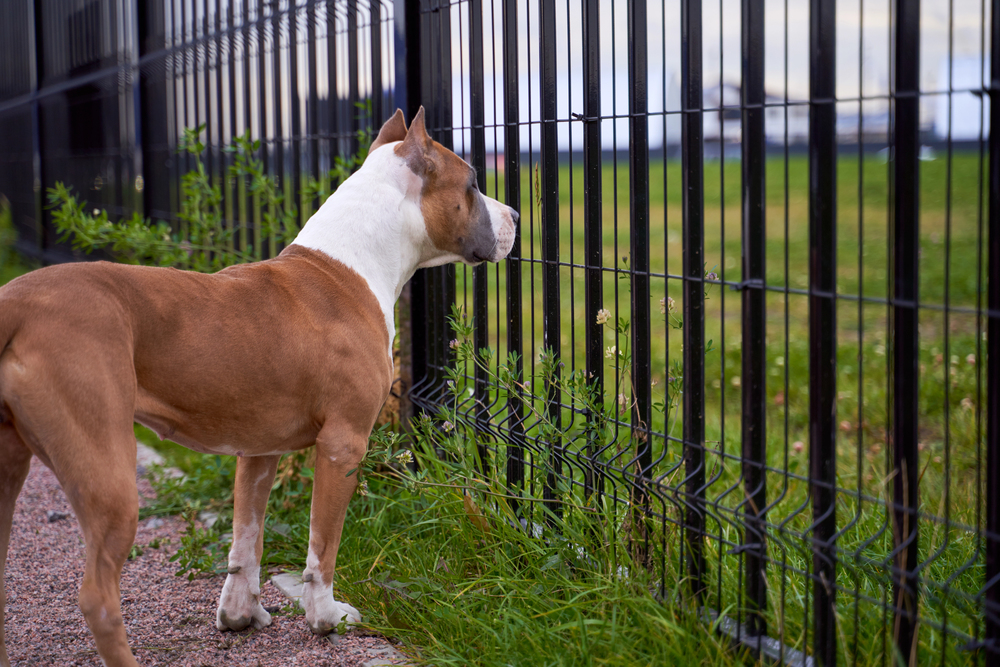
- Leash or barrier reactivity: Triggered by seeing other dogs through fences or doors. Controlled movement and visual barriers help reduce stress.
- Pain or medically related aggression: Dogs may react defensively when touched. Clear medical notes and gentle handling matter here.
- Stress-induced aggression: Some dogs escalate after trigger stacking. Quiet spaces and predictable schedules help prevent overload.
What Makes Fon Jon Pet Care Right for Aggressive Dogs
Behavior aware boarding is about structure, not punishment. This is where our experience truly matters.
- Private indoor and outdoor boarding rooms: We never force dog-to-dog interaction. Each dog has their own space, which helps lower stress and greatly reduces the risk of incidents.
- Experienced, long-term staff: Our team knows how to read body language and early warning signs. That awareness allows us to step in before stress escalates.
- Calm daily routines: We keep feeding, potty breaks, and rest times predictable. Consistency helps reactive dogs relax and feel more secure.
- Controlled handling protocols: We move dogs thoughtfully through the facility to avoid trigger stacking and unnecessary stimulation.
Decades of local experience: We have been caring for San Diego dogs since 1950, which means we have worked with every temperament, not just the easy ones.
What Pet Parents Should Ask Before Booking
Asking questions is not a sign of a difficult dog or an overprotective owner. It is part of responsible pet care. A good facility will welcome these conversations.
Here are smart questions to ask before booking:
- How are aggressive or reactive dogs housed during their stay?
- Will my dog ever be required to interact with other dogs?
- How does your staff respond if a dog shows signs of stress or warning behaviors?
- Do you offer a pre-boarding evaluation or consultation?
These questions help set expectations and ensure the boarding plan truly fits your dog, not just the kennel’s schedule.
How to Prepare a Reactive Dog for Boarding
Preparation plays a big role in how a reactive dog handles a boarding stay. Small, thoughtful steps before arrival can lower stress and help the transition feel safer for everyone involved.
1. Share Honest Behavior History
Tell us exactly what your dog struggles with, even if it feels uncomfortable. Details about triggers, warning signs, past incidents, or handling sensitivities help us plan care that avoids problems instead of reacting to them later.
2. Keep Routines Consistent
Try not to change feeding times, walks, or sleep schedules right before boarding. Dogs who rely on structure feel more secure when their routine stays familiar during a big change.
3. Bring Familiar Comfort Items
A blanket, bed, or shirt that smells like home can make a real difference. We often see reactive dogs settle faster when they have something familiar in their space, especially during the first night.
4. Avoid Extra Stimulation Before Drop Off
Skip dog parks, grooming appointments, or long social outings right before boarding. Starting the stay already overstimulated can make the first 24 hours harder than they need to be.
5. Schedule a Pre-Boarding Consultation
A short conversation before booking helps us build the right plan from day one. It also gives you peace of mind knowing we understand your dog before they arrive.
Alternatives If Traditional Boarding Isn’t the Best Fit
Traditional boarding works well for many reactive dogs, but it is not always the best option in every situation. Some dogs need more specialized support depending on their behavior, health, or stress level.
In cases where boarding may add too much pressure, other care options can help bridge the gap while still keeping your dog safe and comfortable.
- Solo or limited contact boarding with extra quiet time
- Shorter stays instead of extended boarding
- Daycare combined with training support rather than overnight stays
- Referrals to trainers or behavior professionals when deeper work is needed
Our goal is always to recommend what is best for the dog, even if that means adjusting the plan.
A Behavior Aware Boarding Success Story
Max was a four year old mixed breed with strong dog-on-dog reactivity and fear around unfamiliar handlers. His owner worried that boarding would be overwhelming, especially during busy times.
Before his stay, we talked through Max’s triggers, daily routine, and warning signs. His care plan included private indoor and outdoor housing, calm handling by familiar staff, and controlled movement through the facility to avoid visual triggers.
The first day was quiet and predictable. By the second day, Max began eating normally and relaxing in his space. Over the course of his stay, stress signals decreased, and handling became easier as trust built.
By pickup, Max was calm, rested, and settled. His owner felt confident booking future stays knowing the environment supported his needs instead of pushing his limits.
Final Words
Boarding a reactive or aggressive dog does not have to feel risky or overwhelming. With the right environment, experienced staff, and a thoughtful plan, many dogs do very well in a behavior-aware setting.
We believe every dog deserves care that respects their limits and keeps them safe. If your dog has behavioral challenges and you are unsure about boarding, we are happy to talk it through.
Contact us at Fon Jon Pet Care in San Diego to set up a personalized boarding plan and a pre boarding consultation.
FAQs
Can I board my aggressive dog in San Diego?
Yes, but only at facilities that are equipped to manage behavior safely. Look for private housing, experienced staff, and clear care plans rather than group-based boarding.
What boarding options exist for reactive dogs?
Options include private boarding, limited contact care, shorter stays, or boarding combined with training support. The right choice depends on your dog’s specific triggers and stress level.
How do I prepare my aggressive dog for kennel boarding?
Share honest behavior details, keep routines consistent, bring familiar items, and avoid extra stimulation before drop off. A pre-boarding consultation also helps set expectations.
Is Fon Jon Pet Care equipped for dogs with behavior issues?
Yes. We have decades of experience working with reactive and aggressive dogs using private spaces, calm routines, and behavior-aware handling tailored to each dog.