What Happens When Dogs Eat Chocolate: Here’s Everything You Need To Know
With the holidays just around the corner, it’s a time for sweet treats and baked goods. But while we humans enjoy our candy, it’s easy to forget that these sugary delights can be dangerous for our furry friends. Chocolate, in particular, is a serious hazard for dogs.
If your pet sneaks a piece from the candy bowl, it could lead to more than just a tummy ache—it might require an emergency vet visit. Understanding what happens when dogs eat chocolate and how to respond could be the difference between a little scare and a real emergency.

Boarding Clients!*Discount does not apply during holiday/peak rate periods.

What Happens When Dogs Eat Chocolate
Chocolate includes a compound known as theobromine, which the dog’s body cannot metabolize. As a result, the dogs start to suffer from chocolate poisoning, hence developing symptoms such as vomiting, diarrhea, and sometimes seizures.
How bad chocolate poisoning is for dogs depends on the type and amount of chocolate they eat and their size. Smaller breeds are likelier to get sick since even small amounts can cause serious symptoms.
Theobromine and caffeine in chocolate can overstimulate the nervous system. This can cause a dog’s heart rate to go up, muscle cramps, or even worse. So, if your dog eats chocolate, you must immediately call your vet.
Why Is Chocolate Toxic to Dogs?
Dogs can’t metabolize theobromine and caffeine like humans can, which makes chocolate particularly dangerous for them. These compounds affect a dog’s heart, nervous system, and kidneys, causing potentially severe health issues.
Small amounts may cause mild stomach trouble in dogs. If consumed in large amounts, it can cause seizures or heart problems. This is why even a seemingly small piece of chocolate could pose a big problem for your pup.
Types of Chocolate and Their Risks
Different types of chocolate contain different levels of theobromine, making some more dangerous than others. Here’s how they stack up:
Cocoa Powder (Most Toxic)
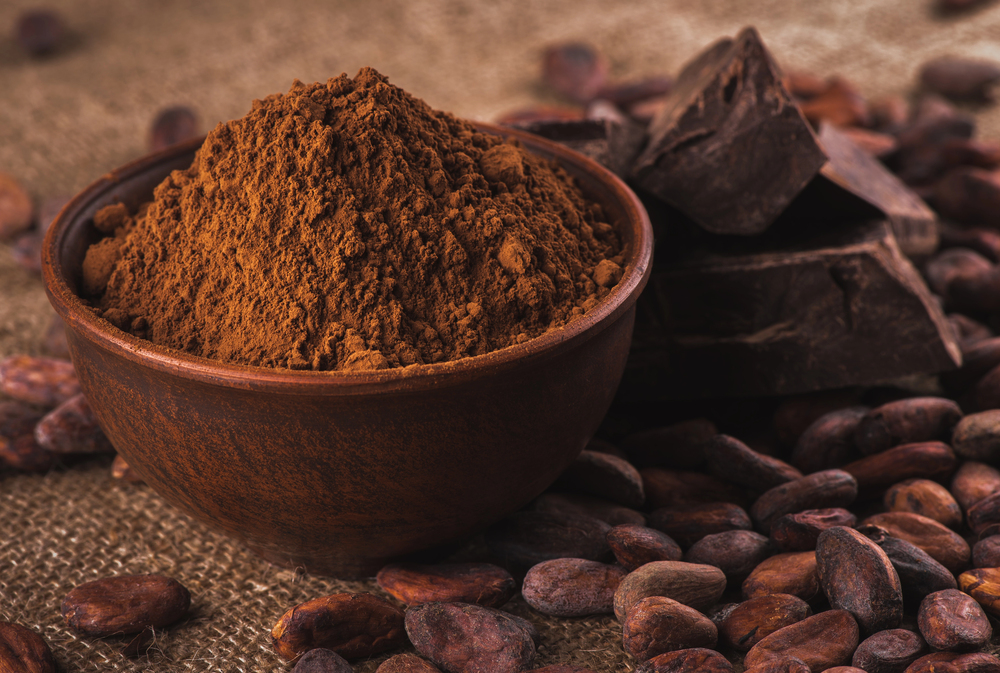
Cocoa powder includes the most significant amount of theobromine and, hence, is highly toxic to dogs. Even with a small quantity, toxic reactions can take place without fail in small breeds. It’s best to keep this baking ingredient well inaccessible.
Unsweetened Baker’s Chocolate
Unsweetened baker’s chocolate contains a high amount of theobromine, which means that even very small amounts are very risky. Since many people use it in food, you need to be very careful when cooking and baking not to let your dog have access to it.
Dark Chocolate
Because it has a lot of cocoa, dark chocolate is also bad for dogs’ health. Though less potent than cocoa powder or even baker’s chocolate, it creates considerable health problems even when a small amount, say a few ounces, is consumed by smaller dogs.
Milk Chocolate
Milk chocolate is less toxic than dark varieties, but it can still cause harm, especially if a small dog ingests a large amount. It’s the most common type found in candy bars, so store those treats safely.
White Chocolate (Least Toxic)
White chocolate contains very little theobromine, but it’s still unsafe. Its high fat content can lead to stomach upset or even pancreatitis in dogs.
How Much Chocolate Is Dangerous for Dogs?
The toxic amount for dogs is considered to be related to the animal’s weight and the type of chocolate consumed. As a general rule, toxic effects may appear around 0.0007 oz per kilogram of theobromine, and severe symptoms can develop for doses over 0.0014 to 0.0018 oz per kilogram.
What Are the Symptoms of Chocolate Poisoning in Dogs?
If your dog eats chocolate, they may start to show symptoms within 2-12 hours. Watch for these signs:
- Vomiting
- Diarrhea
- Restlessness or hyperactivity
- Rapid breathing
- Tremors or muscle twitching
- Increased heart rate
- Seizures
- Excessive thirst or urination
What to Do If Your Dog Eats Chocolate
If you find out your dog has eaten chocolate, quickly take action to break out the severity of the situation. The type of chocolate, the amount, and your dog’s weight all affect the potential danger. Immediately call your vet and relay this information to them; based on the circumstances, they may instruct you to bring your dog to them for treatment or to monitor them at home for symptoms.
In some cases, the vet might induce vomiting or even give your dog some activated charcoal just to prevent further absorption of theobromine. While you are waiting for a professional opinion on what to do with your dog, here is what you can do:
- Collect Information:Note the type of chocolate, how much your dog ate, and when it happened.
- Keep Calm:Staying calm will help you make better decisions for your dog’s health.
- Follow Vet Instructions:If the vet recommends it, bring your dog to the clinic immediately.
When Should You Induce Vomiting in a Dog?
Inducing vomiting may allow your dog to eliminate the chocolate from their stomach before it is absorbed into their system. This should be done strictly if your vet advises, and this is normally within two hours of ingestion. If too much time has passed or if your dog is currently showing symptoms like shaking or difficulty breathing, it is unsafe to try this at home.
Here are some scenarios where inducing vomiting may be appropriate:
- The chocolate was eaten less than two hours ago.
- Your dog is alert and not showing extreme symptoms.
- Your vet has told you to do so.
- The chocolate was milk chocolate or less toxic, and it was a small amount of it.
Can Chocolate Poisoning Be Fatal for Dogs?
Yes, chocolate poisoning can be fatal for dogs if left untreated, particularly when they consume large amounts of dark chocolate or cocoa powder. The severity of the poisoning depends on the dog’s size, the amount ingested, and the speed of treatment.
In severe cases, chocolate can affect a dog’s heart and nervous system, leading to dangerous symptoms like seizures or heart arrhythmias. These complications can be life-threatening, making prompt veterinary care crucial. However, with timely intervention, many dogs recover fully and avoid long-term damage.
Preventing Your Dog From Eating Chocolate
With Halloween approaching, keeping chocolate away from dogs is more important than ever. Trick-or-treat bags and candy bowls are often within reach of curious paws, so it’s crucial to keep your treats out of your dog’s sight. Store all chocolate products, including baking ingredients like cocoa powder, in high cupboards or secure containers. This is especially important during Halloween when candy is abundant.
If you’re hosting a Halloween party or handing out treats, remind guests and kids to keep their candy bags out of reach. It’s easy for a dog to snatch a dropped piece when no one is looking. Consider creating a safe zone or setting up a cozy spot where your dog can relax away from the action so you don’t have to worry about them sneaking a sweet treat.
Here are some practical tips for a dog-safe Halloween:
- Store Safely:Keep all chocolate and candy in high, closed cabinets.
- Teach the “Leave It” Command:It’s a helpful way to stop your dog from grabbing anything harmful that falls on the floor.
- Use a Crate or Dog-Safe Room:If you’re busy with trick-or-treaters, keep your dog in a safe space where they can’t reach any candy.
Safe Alternatives to Chocolate for Dogs
If you want to give your dog a treat, it’s best to use safe alternatives that they will love without the risks. Here are a few options:
- Carob treats: While not chocolate, these dog-friendly treats resemble the taste of chocolate quite well.
- Unsweetened peanut butter: Make sure it’s xylitol-free.
- Fresh fruit: Try apple slices or chunked bananas – just not grapes.
- Dog cookies: Cookies made for dogs are always a good option.
Conclusion
Chocolate and dogs simply don’t mix. Even small amounts can cause serious symptoms, especially in smaller breeds. Knowing what steps to take could make all the difference if your dog accidentally eats chocolate. Being prepared is key, from inducing vomiting with your vet’s guidance to seeking immediate treatment.
Understanding the risks and storing chocolate safely can help prevent accidents. And if you’re looking to treat your furry friend, plenty of safe alternatives exist. Keep your pet’s tail wagging and tummy happy by avoiding chocolate and choosing safer treats instead.

Emergency Veterinarians in San Diego, CA
If your dog needs urgent care after consuming chocolate, here are some 24-hour veterinary services in San Diego. They can provide the care your pet needs when emergencies strike.
1. Veterinary Specialty Hospital of San Diego
This hospital offers specialized care and advanced medical treatments for pets.
Phone: +1 858-875-7500
Address: 10435 Sorrento Valley Rd, San Diego, CA 92121
Website: ethosvet.com
2. ER4PETS
ER4PETS provides emergency care and surgery services for pets around the clock.
Phone: +1 858-676-1600
Address: 12335 World Trade Dr STE 16, San Diego, CA 92128
Website:er4pets.com
3. VCA Emergency Animal Hospital: Chin Michele DVM
This VCA hospital is well-equipped for emergency veterinary care, including diagnostics and specialized services.
Phone: +1 619-299-2400
Address: 2317 Hotel Cir S, San Diego, CA 92108
Website: vcahospitals.com
4. Veterinary Emergency Group
This facility focuses on urgent care for a variety of pet emergencies, including accidental ingestion and injuries.
Phone: +1 619-346-4249
Address: 980 Camino De La Reina Ste C, San Diego, CA 92108
Website:veg.vet
5. Animal Emergency Clinic of San Diego
Offering 24-hour emergency services, this clinic is ready to assist pets with severe conditions.
Phone: +1 858-748-7387
Address: 12775 Poway Rd, Poway, CA 92064
Website:animalemergencysd.com
These veterinarians can provide critical care and help ensure your dog’s recovery. Reach out to them immediately if you suspect your dog is suffering from chocolate poisoning.

FAQs
Should dogs drink water after eating chocolate?
Yes, always give your dog water after eating chocolate. If the amount ingested is not toxic but the dog has diarrhea or an upset stomach, withhold food for 12-24 hours or offer small, easily digestible meals.
Is candy toxic to dogs?
Yes, candies, including dark chocolate or those containing xylitol, are very dangerous to dogs; they can even be fatal. Others may provoke stomach upsets. Candy isn’t good for dogs; this habit will lead to health issues such as obesity.
Is it good if my dog vomits after eating chocolate?
Yes, vomiting does help your dog rid of the toxins from chocolate, but you should never stay out of sight without letting the vet know since further symptoms might appear.
Will my dog be OK if he ate an M&M?
A few M&Ms aren’t going to cause severe symptoms, but chocolate is still toxic to dogs. Call your vet and monitor for signs of chocolate poisoning, especially if your dog is small.